Why Morocco Is Setting the Benchmark for Sports-Led Economic Development in Africa
Gabriel Ajala
February 02, 2026
Morocco is redefining sports-led economic development in Africa through AFCON 2025, 2030 FIFA World Cup (major events), infrastructure investment, and commercial growth. A data-driven analysis.
Sport as a Strategic Economic and Development Tool
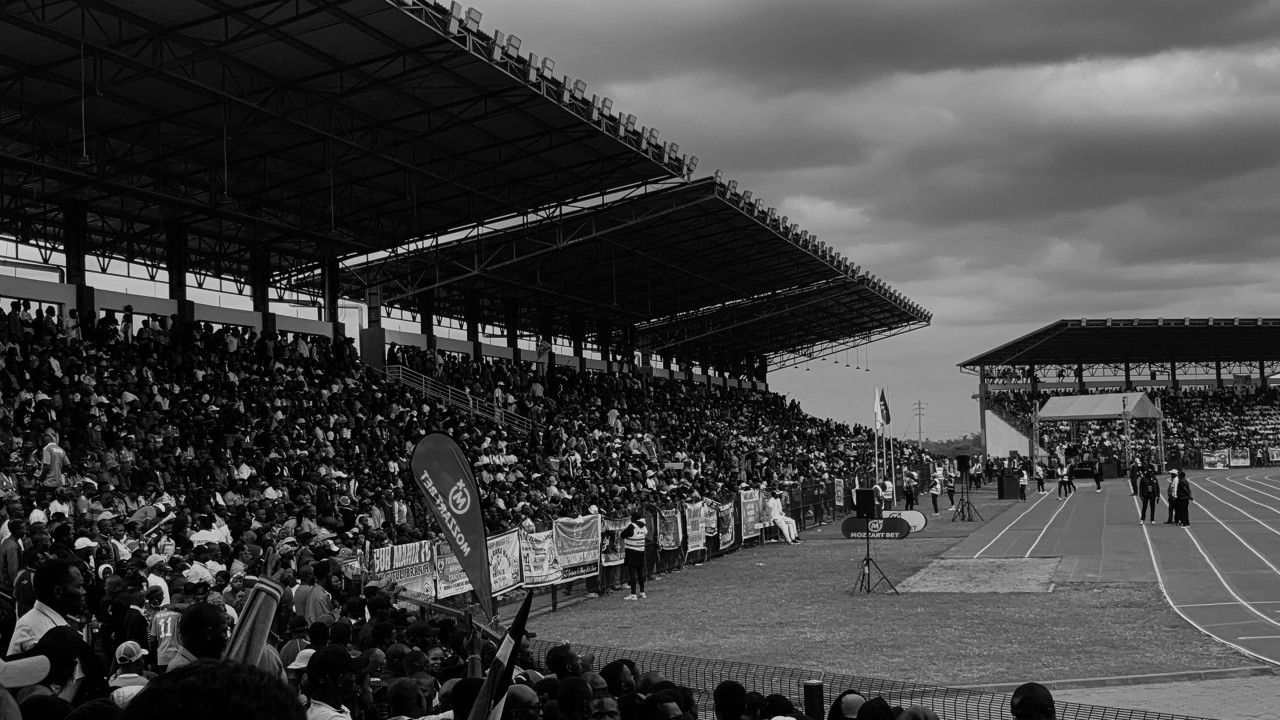
It is just over one month since the final of AFCON 2025, a tournament that drew global attention not only for what unfolded on the pitch, but for the scale, professionalism, and commercial maturity displayed off it. As Senegal lifted their second AFCON title in three editions, much of the post-tournament discussion focused on the quality of facilities, operational delivery, and overall tournament experience.
The commercial indicators were equally striking. Between 2021 to the 2025 edition, AFCON revenues rose by a staggering 3,900%; sponsors rose by 1,800% and broadcasters rose by 104% (figures as of 26 January 2026), all astronomical growth rates. For Morocco, AFCON 2025 was not simply a successful tournament, it was a statement of intent.
Morocco's emergence as one of Africa's most structurally prepared sports economies has been deliberate, coordinated, and long-term. Across the continent, sport is increasingly recognised as an economic sector, a diplomatic tool, and a driver of social development. Few countries have translated this recognition into a coherent national system as effectively as Morocco.
Insights from our Morocco Sports Country Profile (available for Members) show how Morocco has positioned sport at the intersection of national development, international diplomacy, and commercial growth, embedding it firmly within its New Development Model and Vision 2030 framework. Governance, infrastructure, talent development, and international engagement have been developed in parallel and critically, in alignment.
Policy Alignment as the Foundation of Sports-Sector Growth
Morocco's advantage begins with policy alignment. By embedding sport within its national development agenda, the Kingdom has positioned it as a contributor to economic growth, youth employment, social cohesion, and international visibility, rather than treating it as a standalone recreational sector.
Governance remains highly centralised, led by the Ministry of National Education, Preschool and Sports, with delivery coordinated through semi-autonomous federations. Legislative reforms under Law 30-09 have strengthened financial oversight, accelerated club professionalisation, and enabled the corporatisation of sports entities through Sports Anonymous Companies (SAS). This has improved transparency, strengthened institutional accountability, and created clearer pathways for private-sector engagement across the sports ecosystem.
Infrastructure Investment Designed for Long-Term Impact
This policy foundation is reinforced by sustained, state-led infrastructure investment, guided by the National Sports Facilities Plan 2023 - 2030 and the delivery requirements of AFCON 2025 and the 2030 FIFA World Cup, which Morocco will co-host alongside Spain and Portugal.
Over MAD 9.5 billion has been allocated to stadium renovations, training centres, and multi-sport facilities, anchored by flagship assets such as the Mohammed VI Football Complex in Sale. Crucially, these investments have been designed for long-term utilisation, integrating education, tourism, sustainability, and community access rather than serving as short-term event infrastructure.
Major Sporting Events as a Strategic Lever
Morocco has used major sporting events as a strategic catalyst for infrastructure development, operational capacity-building, and international positioning. Recent and upcoming events include:
Men's AFCON 2025
Women's Africa Cup of Nations (WAFCON)
Africa Futsal Cup of Nations
CAF Women's Champions League matches and qualifiers
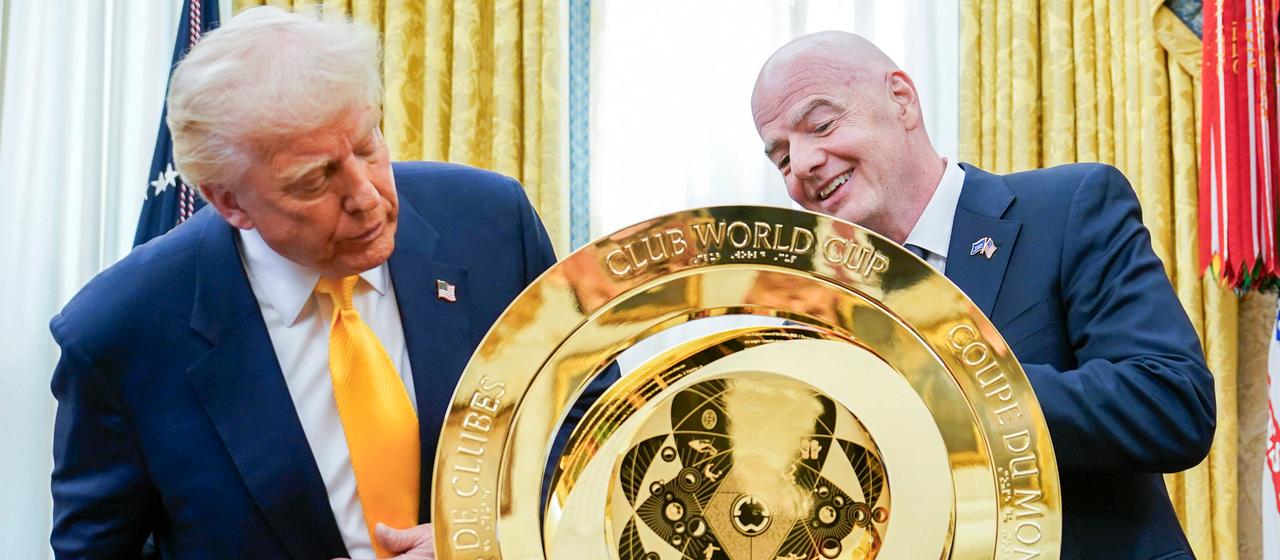
FIFA Club World Cup (hosted in multiple editions)
World Athletics Diamond League, Rabat
Marrakech Marathon
Rallye Aicha des Gazelles
2030 FIFA World Cup (co-host)
Hosting CAF recognised games (due to having FIFA approved stadia)
Rather than bidding opportunistically, Morocco has adopted a sequenced hosting strategy, using each event to test infrastructure, refine logistics, train local workforces, and strengthen institutional coordination across security, transport, broadcasting, and hospitality. This approach has allowed sporting events to function as accelerators of national capability, not isolated showcases.
Talent Pathways Translating Investment into Performance
The most visible returns on this system appear in elite performance and talent development. Structured pathways from grassroots to high-performance sport, led by the Mohammed VI Football Academy, have produced players competing at Europe's top levels while strengthening domestic leagues.
This is both an economic and social ROI to the nation, developing athletes to inspire future generations and boosting local sports.
Morocco's on-field success across multiple competitions reflects years of institutional support, including:
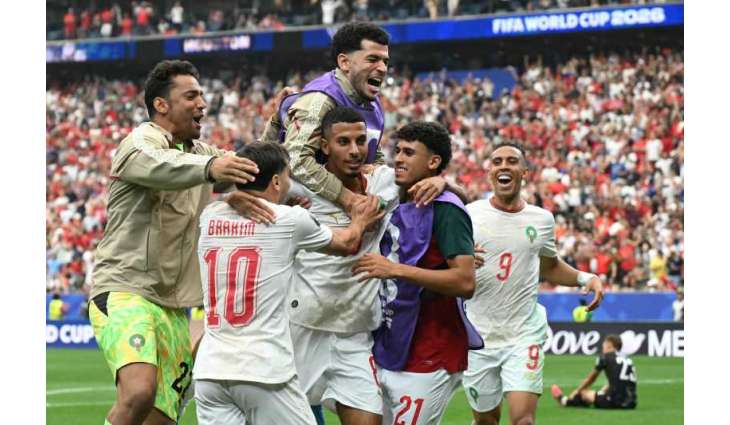
Men's national team reaching the semi-finals of the 2022 FIFA World Cup (the first African team to do so)
Atlas Lionesses reaching the WAFCON final and qualifying for the knockout stages of the 2023 FIFA Women's World Cup at their first attempt
Winning U-17 2025 AFCON
Winning the 2025 Women's Africa Futsal Cup of Nations.
Beneath elite success sits a growing base of mass participation. Morocco now has over 130,000 registered amateur footballers, representing a 25% increase since 2019, while women's licensed participation has grown from 1,200 in 2010 to more than 10,000 in 2024. These figures point to a deepening and more inclusive sporting ecosystem.
A Maturing Sports Economy with Clear Commercial Upside
Commercially, Morocco's sports sector has reached a level of maturity rare on the continent. When public, associative, and private activity are combined, sport contributes an estimated 2.5% of national GDP, positioning it as a meaningful economic sector.
Long-term sponsorships across telecommunications, banking, aviation, and FMCG industries underpin financial stability, while a hybrid broadcasting model (dominated domestically by SNRT and Arryadia) ensures wide national reach. At the same time, opportunities remain to scale digital distribution, OTT platforms, fan engagement, and data-driven monetisation, particularly as domestic and diaspora audiences continue to grow.
Beyond economics, Morocco has also deployed sport as a soft-power asset. Through more than 45 federation partnerships across Africa, bilateral cooperation agreements with Europe and the Middle East, and its role as co-host of the 2030 FIFA World Cup, sport has become a pillar of Morocco's diplomatic and international development strategy.
A Benchmark Market for Africa's Sports Economy
Morocco's position as a benchmark market is not the result of isolated success stories, but of systemic alignment, policy, infrastructure, talent development, commercialisation, and diplomacy reinforcing one another.
As African governments, investors, and rights holders reassess how sport can deliver measurable economic and social outcomes, Morocco offers a compelling reference point for what integrated, long-term sports development can achieve.
This article is taken from the full Morocco Sports Country Profile available for ASU members. A detailed analysis across governance, infrastructure, talent pathways, commercialisation, and international engagement.

Related Posts